Victorian properties are among the most beautiful and sought-after homes in London. Built between 1837 and 1901 during Queen Victoria's reign, these elegant buildings offer high ceilings, large rooms, and stunning period features. However, their age means they can hide serious structural and maintenance issues. As experienced property surveyors who conduct hundreds of Victorian property surveys across East London, West London, and South East London each year, we've identified the most common problems that home buyers need to be aware of.
Why Victorian Properties Need Thorough Surveys
Victorian homes were built using different construction methods and materials than modern properties. Many have been modified over the decades, with extensions, loft conversions, and internal alterations that may not have been carried out to current building standards. A comprehensive RICS level 3 building survey is often recommended for Victorian properties, as it provides a detailed assessment of the building's condition and identifies issues that could cost tens of thousands of pounds to repair.
Our chartered building surveyors regularly encounter specific issues in Victorian properties across the London area. Understanding these common problems helps home buyers make informed decisions about their purchase and negotiate prices accordingly. Let's explore the ten most frequent issues our surveyors identify during the inspection of Victorian residential property.
1. Subsidence and Foundation Movement
Subsidence is one of the most serious structural issues affecting Victorian properties in London. Victorian homes typically have shallow brick foundations, often just two or three feet deep, which makes them vulnerable to ground movement. This is particularly problematic in areas with clay soil, which expands when wet and contracts during dry periods.
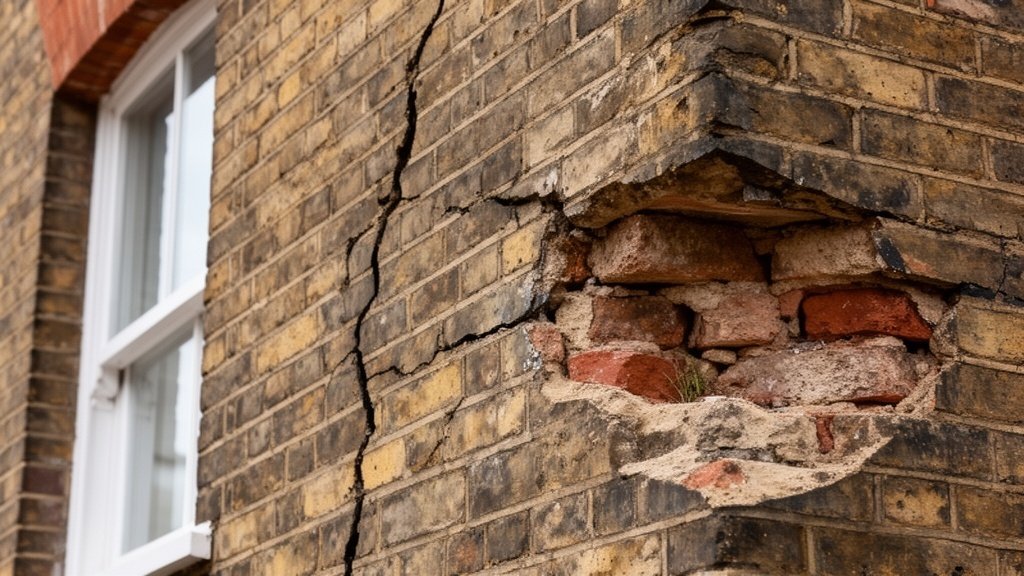
Our property surveyors look for telltale signs of subsidence including stepped cracking in external walls, diagonal cracks wider than a five pence coin, doors and windows that stick or don't close properly, and cracks that are wider at the top than the bottom. Trees growing close to Victorian properties can exacerbate subsidence by extracting moisture from the clay soil, causing it to shrink and the building to settle unevenly.
Subsidence repair can be extremely expensive, often costing between twenty thousand and fifty thousand pounds depending on severity. The work typically involves underpinning the foundations, which requires excavating beneath the existing foundations and pouring new concrete supports. This is why identifying subsidence during a building survey is absolutely crucial before you commit to buying a property.
If our surveyors identify potential subsidence, we recommend specialist structural engineer reports to assess the extent of movement and determine the best remedial action. Some subsidence may be historic and stabilised, while active movement requires immediate attention. Understanding the difference is essential for making an informed decision about your property purchase.
2. Rising Damp and Penetrating Damp
Damp is perhaps the most common issue our surveyors find in Victorian London properties. Victorian buildings were constructed before the introduction of damp proof courses, or with slate damp proof courses that have degraded over time. Rising damp occurs when groundwater moves up through porous brickwork by capillary action, causing damage to internal plaster and decorations.
The signs of rising damp include tide marks on walls at ground floor level, peeling wallpaper and paint, crumbling plaster, and a musty smell. Our chartered surveyors use professional moisture meters during property inspections to measure moisture levels in walls and identify the extent of damp problems. It's important to distinguish between rising damp and other moisture issues, as treatments and costs vary significantly.
Penetrating damp is equally problematic in Victorian properties. This occurs when water enters the building through damaged or porous external walls, faulty guttering, cracked render, or damaged pointing. Victorian solid brick walls, typically nine inches thick, can become saturated during prolonged rain, allowing moisture to penetrate through to internal surfaces. This is particularly common in properties with Victorian brickwork that has deteriorated over time.
Treatment for rising damp usually involves installing a chemical damp proof course, which costs between one thousand and three thousand pounds depending on the property size. Penetrating damp requires identifying and repairing the source of water ingress, which might involve repointing brickwork, replacing defective guttering, or applying waterproof render. Our detailed reports highlight the condition of the property regarding damp and provide expert advice on necessary remedial works.
It's worth noting that many Victorian properties have been misdiagnosed with rising damp when the real culprit is condensation or a leaking pipe. Our RICS chartered surveyors have the expertise to identify the true cause of moisture problems and recommend appropriate solutions, potentially saving home buyers thousands of pounds on unnecessary damp treatments.
3. Roof Issues and Slate Problems
Victorian properties typically feature pitched roofs covered with natural slate or clay tiles. While these materials can last over a hundred years, they inevitably deteriorate with age. During our roof inspections, we commonly find slipped, cracked, or missing slates that allow rainwater to penetrate the roof structure, potentially causing significant damage to timbers and internal ceilings.
The roof structure itself may show signs of age-related deterioration. Original Victorian roof timbers can suffer from woodworm infestation or wet rot where water has penetrated through defective roof coverings. Our building surveyors inspect the roof structure from inside the loft space, looking for sagging purlins, cracked rafters, and signs of timber decay that could compromise the roof's structural integrity.
Chimneys are another common source of problems in Victorian properties. Many Victorian homes have multiple chimney stacks, and these can deteriorate significantly over time. Defective chimney stacks can allow rainwater to penetrate the building, causing damp staining on bedroom walls and ceilings. Leaning or unstable chimney stacks pose a serious safety risk and may require rebuilding or removal, which can cost several thousand pounds.
Valley gutters between roof sections are particularly problematic in Victorian properties. These are often lined with lead that can split or deteriorate, causing leaks that are difficult to locate and expensive to repair. Our surveyors pay special attention to valley gutters during property surveys, as failures in these areas can cause extensive water damage.
A complete roof replacement on a Victorian property can cost anywhere from fifteen thousand to forty thousand pounds, depending on the size of the property and whether scaffolding is needed. However, if caught early through a professional survey, many roof issues can be addressed through more affordable repairs. This is why thorough roof inspection is a crucial part of our RICS level 3 building surveys.
4. Timber Decay - Wet Rot and Dry Rot
Victorian properties contain significant amounts of timber in their construction, including floor joists, roof timbers, window frames, and internal joinery. When exposed to moisture, this timber becomes vulnerable to fungal decay in the form of wet rot or the more serious dry rot. Our property surveyors regularly encounter timber decay issues during inspections of Victorian residential property across London.
Wet rot occurs in timber that has become saturated, typically from leaking pipes, roof leaks, or rising damp. The affected timber becomes soft, spongy, and darkened. While wet rot is concerning, it stops spreading once the moisture source is eliminated and the affected timber dries out. Treatment involves removing damaged timber, addressing the source of moisture, and installing replacement timber treated with preservative.
Dry rot is far more serious and destructive. Despite its name, dry rot requires moisture to start, but once established, it can spread through building materials to attack dry timber. The fungus produces distinctive pancake-shaped fruiting bodies and cotton wool-like growths. Dry rot can spread rapidly through a building, causing extensive structural damage that costs tens of thousands of pounds to remediate.
During the inspection of the property, our chartered building surveyors check areas prone to timber decay, including under suspended ground floors, around bathroom and kitchen areas, near external walls, and in roof spaces. We look for visual signs of decay and use probes to test timber for softness that indicates rot. Early detection through a professional survey can prevent minor timber issues from becoming major structural problems.
Treatment costs for timber decay vary dramatically depending on the extent of the problem. Simple wet rot repairs might cost a few hundred pounds, while extensive dry rot treatment requiring the removal and replacement of floor joists throughout a property can exceed twenty thousand pounds. Our detailed survey reports highlight any timber decay issues and provide advice on the likely extent and cost of necessary repairs.
5. Defective or Non-Compliant Electrical Systems
Victorian properties obviously weren't built with electrical systems, and many London homes still have outdated wiring that poses safety risks. Our surveyors frequently encounter old rubber-insulated wiring, fabric-covered cables, and electrical installations that haven't been updated in decades. These outdated systems are not only potentially dangerous but also inadequate for modern electrical demands.
Signs of electrical problems include old-style fuse boxes rather than modern consumer units with circuit breakers, round pin sockets instead of modern square pin sockets, surface-mounted cables suggesting the system hasn't been properly updated, insufficient socket outlets forcing reliance on extension leads, and visible signs of overheating around electrical fittings. Many Victorian properties in East London and West London still have electrical systems that are thirty, forty, or even fifty years old.
Current electrical regulations recommend that electrical installations be inspected and tested at least every ten years for owner-occupied properties. Our property surveyors always recommend that buyers obtain a detailed electrical safety certificate from a qualified electrician before completing the purchase of a Victorian property. This certificate will identify any dangerous conditions and confirm whether the installation meets current safety standards.
A complete rewire of a Victorian terraced house typically costs between four thousand and eight thousand pounds, depending on the property size and accessibility. While this is a significant expense, it's essential for safety and adds value to the property. Many mortgage lenders and insurance companies require evidence of electrical safety, so addressing electrical issues is often a condition of purchase.
Our building surveys include a visual inspection of the electrical installation and recommendations for specialist testing where necessary. We can't test the system ourselves as we're not qualified electricians, but we can identify obvious defects and recommend that home buyers budget for electrical upgrades. This information helps buyers make informed decisions about the true cost of purchasing and maintaining a Victorian property.
6. Woodworm and Insect Infestation
Woodworm is the common name for several species of wood-boring beetles whose larvae eat timber, leaving distinctive small round exit holes. Victorian properties with their abundance of original timber are particularly susceptible to woodworm infestation. During our property surveys across South East London and other London areas, we regularly find evidence of both historic and active woodworm attacks.
The most common type affecting Victorian properties is the common furniture beetle, which creates exit holes approximately two millimeters in diameter. Our chartered surveyors inspect roof timbers, floor joists, and visible structural timber for signs of infestation. Active infestation is indicated by fresh exit holes with clean edges and fine powdery dust (frass) around the holes or on surfaces below affected timber.
Historic woodworm, where the infestation has died out naturally, is very common in Victorian properties and doesn't always require treatment. However, our surveyors need to determine whether any infestation is active and whether it has caused structural weakening of timber members. Severe woodworm damage can compromise the strength of floor joists or roof timbers, requiring timber replacement in addition to chemical treatment.
Treatment for active woodworm typically involves applying insecticidal spray to affected and surrounding timbers. Costs vary depending on the extent of infestation and accessibility of timber. Treatment for an average Victorian terraced house might cost between five hundred and two thousand pounds. More extensive infestations requiring timber replacement can cost significantly more.
It's worth noting that woodworm beetles prefer damp timber, so addressing any moisture problems in the property often resolves woodworm issues without expensive chemical treatments. Our holistic approach to building surveys means we identify the root causes of problems and recommend the most cost-effective solutions for home buyers.
7. Poor or Dangerous Building Alterations
Many Victorian properties in London have been altered over the years, with walls removed to create open-plan spaces, loft conversions added, or rear extensions built. Unfortunately, not all of these alterations have been carried out properly or with necessary building regulations approval. Our building surveyors frequently encounter dangerous structural alterations that compromise the property's integrity.
A common issue is the removal of load-bearing walls without adequate support. Victorian properties typically have load-bearing party walls and front and rear walls, with internal walls that may or may not be structural. When walls are removed without proper steel or timber beams to support the load above, it can cause cracking, sagging floors, and even structural collapse. Our surveyors look for signs that walls have been removed inappropriately, such as cracks above doorways and sagging ceilings.
Loft conversions are popular in Victorian properties due to their high roofs and generous loft spaces. However, poorly executed conversions can cause serious problems. Issues we commonly identify include inadequate strengthening of floor joists to support the new room, insufficient head height making the space non-compliant with building regulations, poor fire safety provisions lacking proper fire doors and escape windows, and structural alterations to the roof that compromise its strength.
Extensions and rear additions are another area where problems arise. Victorian properties often have single-story rear extensions that may have been built without building regulations approval or proper foundations. Our surveyors check that extensions are properly tied into the main building and haven't caused cracking or movement. We also verify that structural openings between the original house and extension are adequately supported.
When purchasing a Victorian property that has been altered, it's crucial to obtain building regulations certificates or retrospective approval for the work. Absence of these certificates can affect property value, mortgage ability, and insurance. Our detailed survey reports identify alterations and advise whether further investigation or documentation is needed, helping home buyers avoid potential legal and financial complications.
8. Defective Drainage and Aging Victorian Sewers
Victorian drainage systems were built over a century ago and can suffer from various problems including collapsed pipes, tree root ingress, and inadequate capacity for modern usage. Our property surveyors regularly recommend specialist drainage surveys for Victorian properties, particularly those with mature trees in the garden or showing signs of drainage problems.
Victorian properties typically have clay drainage pipes that can crack, collapse, or become displaced over time. Tree roots are attracted to the moisture in drainage pipes and can penetrate through joints or cracks, eventually blocking the system completely. Signs of drainage problems include slow-draining sinks and toilets, unpleasant smells near drainage points, damp patches in gardens near drain runs, and inspection chambers that fill with water during heavy rain.
Many Victorian properties in London still have shared drainage systems where several properties' waste pipes connect to a common sewer. This can create complications regarding maintenance responsibilities and repair costs. Our surveyors advise home buyers to check drainage plans and understand their responsibilities for maintaining shared drainage systems.
A CCTV drainage survey, where a camera is inserted into the drainage system to inspect pipe condition, typically costs between three hundred and six hundred pounds. This investment is worthwhile for Victorian properties as drainage repairs can be extremely expensive. Excavating and replacing collapsed drains might cost five thousand to fifteen thousand pounds depending on the extent and location of the problem.
Our building surveys include visual inspection of accessible drainage components including gullies, inspection chambers, and soil and vent pipes. While we can't inspect underground pipes without specialist equipment, we can identify signs suggesting drainage problems and recommend further investigation. This helps home buyers understand potential issues and budget accordingly.
9. Window and Door Issues
Victorian properties feature distinctive sliding sash windows that are beautiful but can suffer from numerous problems. Our chartered surveyors regularly encounter rotten window sills, broken sash cords, failed glazing putty, and general deterioration that allows draughts and water penetration. Original Victorian windows require regular maintenance, and many have been neglected for decades.
Timber decay is common in window sills, particularly the bottom rails of lower sashes that are exposed to weather. Water sits on sills and penetrates the timber, causing rot that weakens the frame. Our surveyors check all window sills carefully, using a probe to test for soft, rotten timber that needs replacement. Replacing rotten sills while preserving original windows requires skilled joinery and can cost several hundred pounds per window.
Many Victorian properties have had their original windows replaced with inappropriate modern alternatives. While double glazing improves thermal efficiency, poorly chosen replacement windows can harm the property's character and value. Some replacement windows in conservation areas may even be in breach of planning regulations. Our surveyors note the condition and type of windows, advising whether replacements are necessary and what permissions might be required.
Victorian doors, both external and internal, often require attention. External doors may have deteriorated due to weather exposure, while internal doors might have been removed during previous renovations. Original Victorian doors with their panels and period hardware add significant value to a property. Our surveys identify whether doors are original, whether they're in good condition, and whether fire safety upgrades are needed.
Renovating original sash windows is often more cost-effective and preferable to replacement. Professional restoration including draught-proofing, new cords, and repairs can cost between four hundred and eight hundred pounds per window but preserves the property's character. Our detailed reports help home buyers understand the condition of windows and doors and plan for necessary maintenance or upgrades.
10. Inadequate Insulation and Energy Efficiency Issues
Victorian properties were built long before modern insulation standards existed. Original Victorian homes have solid brick walls with no cavity insulation, minimal or no loft insulation, single-glazed windows, and draughty floors. This makes them expensive to heat and uncomfortable in winter. As energy costs rise, improving thermal efficiency becomes increasingly important for home buyers.
The lack of wall insulation in Victorian properties is a major issue. Solid walls lose heat much faster than modern cavity walls. Options for improving wall insulation include external wall insulation, which adds insulated cladding to the outside of the building, or internal wall insulation, which reduces room sizes but improves thermal performance. Both options are expensive, typically costing between eight thousand and fifteen thousand pounds for an average Victorian terraced house.
Loft insulation is easier and more affordable to address. Many Victorian properties have insufficient loft insulation, sometimes just fifty or a hundred millimeters of old material. Current recommendations suggest at least two hundred seventy millimeters of insulation. Adding loft insulation is relatively inexpensive, often costing just a few hundred pounds, and provides excellent return on investment through reduced heating bills.
Suspended timber ground floors in Victorian properties allow cold air to circulate beneath, creating draughts and heat loss. Insulating beneath floors requires either lifting floorboards to install insulation between joists or insulating from underneath if there's accessible underfloor space. Floor insulation improves comfort significantly and reduces heating costs.
Our property surveys include assessment of insulation levels and energy efficiency. We advise home buyers on the likely costs of improving thermal performance and the potential savings on heating bills. Understanding these costs upfront helps buyers budget for necessary improvements and negotiate purchase prices to reflect the property's condition. Many buyers factor in the cost of energy efficiency upgrades when making offers on Victorian properties.
The Importance of Professional Surveys for Victorian Properties
Victorian properties require careful inspection by experienced chartered surveyors who understand their unique construction and common problems. A RICS Level 3 building survey provides the most comprehensive assessment, with detailed analysis of the building's condition and advice on repairs and maintenance. While more expensive than a basic RICS Level 2 survey, the additional cost is justified for older properties where hidden defects can prove very costly.
Our team of RICS chartered surveyors has extensive experience with Victorian properties across East London, West London, South East London, South West London, and throughout the London area. We understand the typical issues affecting Victorian buildings and know where to look for problems. Our detailed reports provide clear explanations of any defects found, advice on urgency and costs of repairs, and recommendations for specialist investigations where needed.
Many of the issues described in this article can be managed or prevented through regular maintenance and timely repairs. Victorian properties can provide wonderful homes for generations if properly cared for. However, deferred maintenance and hidden defects can result in repair bills running into tens of thousands of pounds. Investing in a professional building survey before purchase is essential for understanding the true condition of the property and making an informed decision.
Home buyers should never skip a survey on a Victorian property, regardless of how good the property looks during viewings. Many serious issues are hidden behind plaster and decorations or in inaccessible areas like roof spaces and under floors. Our chartered building surveyors have the expertise, equipment, and experience to identify problems that untrained eyes would miss. The cost of a comprehensive survey is tiny compared to the potential cost of undiscovered defects.
Making Informed Decisions About Victorian Property Purchase
Understanding common issues in Victorian properties helps home buyers approach their purchase with realistic expectations. Every old building will have some maintenance requirements, but identifying serious problems before completion protects buyers from financial disaster. Our detailed survey reports empower buyers to negotiate repairs with sellers, adjust their offer price to reflect necessary works, or withdraw from the purchase if issues are too severe.
When our surveyors identify significant issues during the inspection of the property, we provide clear advice on the implications. We explain whether problems are serious structural issues requiring immediate attention, maintenance matters that can be addressed over time, or cosmetic issues with minimal impact on the property's value. This helps home buyers prioritize repairs and budget appropriately.
Victorian properties remain highly desirable in the London property market due to their character, generous room sizes, and period features. However, they require more maintenance than modern properties and may need significant investment to bring them up to modern standards. Home buyers need to factor in these costs when determining how much they can afford to pay for a Victorian property.
Our professional surveying services give you peace of mind that you understand exactly what you're buying. We provide honest, expert assessments of property condition and realistic advice on repair costs. This information is invaluable for negotiating with sellers and ensuring you don't overpay for a property with hidden problems. Many of our clients have saved tens of thousands of pounds by using survey findings to renegotiate purchase prices.
Conclusion
Victorian properties offer wonderful opportunities for home buyers who appreciate period architecture and character features. However, their age brings specific challenges that require expert assessment. The ten common issues outlined in this article represent the problems our chartered surveyors most frequently encounter in Victorian London properties, from subsidence and damp to electrical problems and inadequate insulation.
A professional building survey by experienced RICS chartered surveyors is essential before purchasing any Victorian property. The detailed report provides comprehensive information about the building's condition, identifies defects and necessary repairs, and gives you the expert advice needed to make an informed decision about your property purchase. The investment in a thorough survey is minimal compared to the protection it provides against expensive surprises after completion.
London Home Surveyors specializes in surveying Victorian properties throughout London. Our team of RICS chartered surveyors understands the unique characteristics and common problems of Victorian buildings. We provide detailed, clear reports that help home buyers understand the condition of the property they're considering and make confident decisions about their purchase. Contact us today to arrange a comprehensive building survey for your Victorian property.
Planning to buy a Victorian property in London?
Get expert advice from our RICS chartered surveyors
Book Your Survey Today