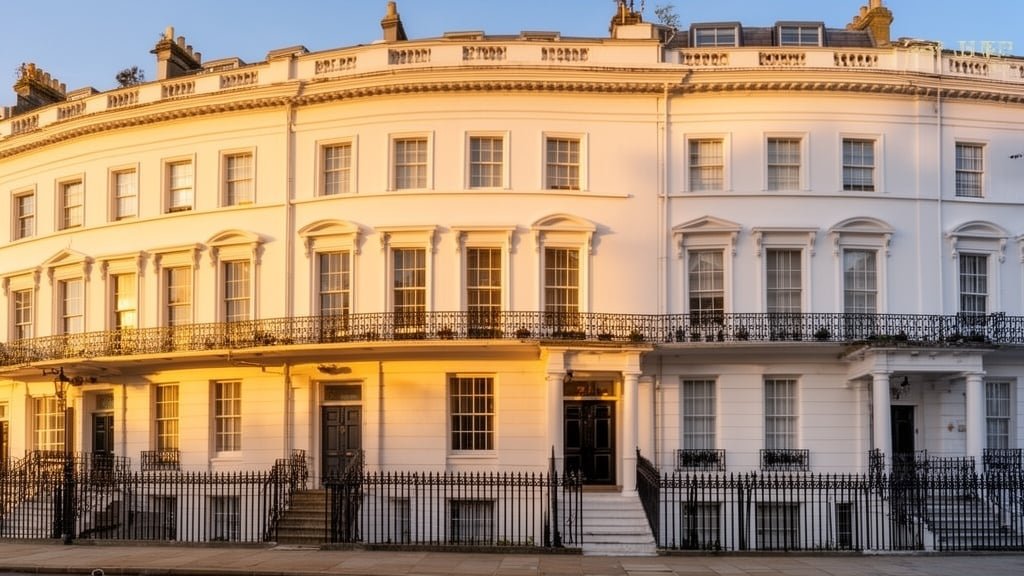
Georgian properties represent some of London's most elegant and sought-after homes. Built between seventeen fourteen and eighteen thirty during the reigns of the four King Georges, these beautiful buildings feature classical proportions, sash windows, and distinctive architectural details. However, their age means they require careful assessment by experienced RICS chartered surveyors. This comprehensive guide explains what our building surveyors look for when inspecting Georgian properties and helps home buyers understand the unique characteristics and common issues of these historic London homes.
Understanding Georgian Architecture
Georgian architecture is characterized by symmetry, proportion, and classical elegance. These properties typically feature brick construction with decorative stonework, sash windows arranged symmetrically across facades, high ceilings with ornate cornicing and ceiling roses, elegant staircases with delicate balusters, original fireplaces in most rooms, and large rooms with good natural light. The Georgian period saw significant advances in building techniques, but construction methods were still very different from modern standards.
Georgian properties in London range from grand townhouses in prestigious areas like Bloomsbury and Mayfair to more modest terraced homes across the capital. Despite variations in size and grandeur, all Georgian properties share common construction characteristics that affect how our chartered building surveyors assess them. Understanding these construction methods helps appreciate why certain issues are common in Georgian buildings.
The Georgian period was an era of rapid development in London. Many Georgian terraces were built speculatively by developers, similar to modern housing developments. Quality varied significantly depending on the developer and the intended market. Grand houses in wealthy areas used better materials and craftsmanship than modest properties built for artisans and tradespeople. Our property surveyors across East London, West London, and other areas encounter Georgian properties of varying quality, each requiring tailored assessment approaches.
Foundations and Ground Movement
Georgian properties typically have shallow foundations, often just brick footings extending a few feet below ground level. This makes them particularly vulnerable to ground movement and subsidence. Our building surveyors pay special attention to foundations when inspecting Georgian properties, as foundation problems are among the most serious and expensive issues these buildings face.
Common Foundation Issues
The shallow foundations common in Georgian construction make these properties susceptible to several problems. Subsidence from clay soil shrinkage is particularly common in London where clay subsoils predominate. Trees near Georgian properties pose significant risks as their roots extract moisture from clay, causing it to shrink and the building to settle unevenly. Our chartered surveyors always assess proximity of trees and vegetation during property inspections.
Differential settlement occurs when different parts of the building sink at different rates, causing cracking and structural distortion. This is common where Georgian terraces have extensions or rear additions with separate foundations. The original building and newer additions often move independently, creating stress points and cracks. Our building surveys identify where buildings have been extended and carefully examine joints between old and new construction.
Mining and ground conditions also affect Georgian properties in some London areas. Historical industrial activity, buried rivers, and variable ground conditions can all cause foundation problems. Our property surveyors research local geology and history to understand specific risks affecting different neighborhoods. This local knowledge is crucial for accurate assessment of Georgian properties.
Signs of Foundation Problems
Our chartered building surveyors look for telltale signs of foundation issues including stepped cracking in external brickwork following mortar joints, diagonal cracks wider at one end than the other, doors and windows that stick or won't close properly, floors that slope noticeably or are uneven, and gaps appearing between skirting boards and floors. While some settlement is normal in buildings over two hundred years old, active ongoing movement requires investigation by structural engineers and potentially expensive underpinning work.
Original Timber Elements
Georgian properties contain significant amounts of structural timber including floor joists, roof timbers, window frames, and staircases. After two centuries, this timber often shows signs of deterioration that our building surveyors must assess carefully.
Floor Structure Assessment
Georgian floors typically consist of timber joists spanning between load-bearing walls, supporting floorboards above. Our property surveyors test floors for bounce and springiness, which indicates weakened or inadequate joists. Original Georgian floor joists were sized based on rules of thumb rather than modern engineering calculations, so they're sometimes undersized for current loading expectations. This is particularly problematic where heavy items like bathtubs or safes are located.
Timber decay is common in floor joists, especially those near external walls where dampness penetrates or around bathroom areas where leaks occur. Our building surveys include inspection beneath ground floors where possible to check joist condition. Timber beetle infestation, commonly called woodworm, often affects floor joists. Active infestations require treatment, while historic woodworm needs assessment to determine if structural strength has been compromised.
Roof Structure Concerns
Georgian roofs are typically constructed with principal rafters and purlins supporting common rafters and roof covering. Our chartered surveyors examine roof structures from loft spaces, looking for sagging purlins indicating overstress, cracked or split rafters compromising strength, rot in timbers where roof leaks have occurred, and inadequate support where loft conversions have altered original structure. Roof structural problems can be expensive to repair as they often require extensive scaffolding and temporary support during works.
Original Joinery
Georgian properties often retain original windows, doors, and staircases. These period features add significant value but require maintenance. Our property surveyors assess whether original sash windows have rotten sills or frames needing repair, whether historic doors are damaged or have been removed during modernization, and whether elegant Georgian staircases are sound or show signs of movement. Original features are worth preserving both for their aesthetic value and their contribution to property value in the London property market.
Damp and Moisture Issues
Georgian properties predate damp proof courses, making them vulnerable to moisture problems. Understanding how Georgian buildings were designed to manage moisture helps our building surveyors assess damp issues appropriately.
Breathable Construction
Georgian buildings were constructed to be breathable. Solid brick walls, lime mortar, and lime plaster allowed moisture to evaporate naturally. Problems often arise when modern non-breathable materials like cement render or gypsum plaster are applied, trapping moisture within walls. Our chartered surveyors check whether inappropriate modern materials have been used, potentially causing damp problems that wouldn't have existed with original breathable construction.
Common Damp Sources
Our property surveyors identify various damp sources in Georgian buildings. Rising damp from ground moisture moving up through porous brickwork is common in properties without damp proof courses. Penetrating damp occurs where rain penetrates through deteriorated pointing, damaged brickwork, or defective roof coverings. Condensation from inadequate ventilation combined with modern heating creates surface dampness that can be mistaken for rising damp. Accurate diagnosis is crucial as treatments vary significantly depending on the damp type.
Treatment Considerations
Treating damp in Georgian properties requires understanding of traditional construction. Chemical damp proof courses can be injected into walls, but this must be done carefully to avoid damaging soft bricks. Using lime plasters and breathable paints often resolves damp problems without need for expensive damp proof courses. Our building surveys provide advice on appropriate treatments that respect the building's historic construction while resolving moisture problems effectively.
Alterations and Modernization
Most Georgian properties have been altered over two centuries of occupation. Our chartered building surveyors carefully assess modifications to determine whether they've been carried out appropriately and whether they comply with current building regulations.
Internal Alterations
Georgian room layouts have often been modified to suit modern living. Original formal reception rooms have been combined to create open-plan spaces, former servant areas converted to kitchens and bathrooms, and bedroom arrangements reconfigured. Our property surveyors check whether load-bearing walls have been removed appropriately with adequate support, whether structural openings have proper lintels, and whether alterations have building regulations approval or could be regularized if needed.
Loft Conversions
Loft conversions are popular in Georgian properties due to their generous roof spaces. Our building surveyors assess whether conversions have strengthened floor joists adequately to support new rooms, whether head height meets building regulations requirements, whether fire safety provisions including escape windows are adequate, and whether structural alterations to roofs maintain stability. Poor quality loft conversions create significant problems and may require expensive remedial works or even removal.
Basement Conversions
Many Georgian properties have basements, and converting these to habitable space is increasingly common. Our chartered surveyors examine whether basements have adequate damp proofing and waterproofing, whether drainage and ventilation meet current standards, whether conversions have necessary planning permissions and building regulations approval, and whether structural underpinning or other works have been carried out competently. Basement conversions done poorly create ongoing maintenance problems and damp issues.
Services and Modern Amenities
Installing modern services in Georgian properties presents challenges. Our property surveyors assess whether services have been installed appropriately and comply with current safety standards.
Electrical Systems
Georgian properties obviously weren't built with electrical systems. Our building surveyors check whether electrical installations are modern and compliant with current regulations, whether there are sufficient socket outlets for contemporary needs, whether old wiring has been replaced or remains concealed, and whether electrical work has proper certification. Many Georgian properties need complete rewiring, potentially costing several thousand pounds, so identifying electrical issues during surveys helps home buyers budget appropriately.
Heating and Plumbing
Modern heating and plumbing systems must be carefully integrated into Georgian buildings. Our property surveyors assess whether heating systems are adequate for the building size, whether radiators or underfloor heating have been installed sympathetically, whether plumbing uses modern materials or retains problematic lead pipes, and whether bathrooms and kitchens have proper drainage connections. Water pressure can be problematic in Georgian properties, particularly upper floors, so checking water flow is important.
Energy Efficiency
Georgian properties with their solid walls, single glazing, and poor insulation are expensive to heat. Our building surveys comment on thermal performance and recommend improvements. Options include internal wall insulation if external appearance must be preserved, secondary glazing to improve window thermal performance, loft insulation to reduce heat loss through roofs, and draught proofing around windows and doors. These improvements can significantly reduce heating costs while respecting the building's historic character.
Conservation and Listed Building Considerations
Many Georgian properties in London are listed buildings or located in conservation areas. This affects what alterations can be made and adds complexity to property ownership.
Listed Building Status
Listed buildings require consent for most alterations, even internal changes. Our chartered building surveyors advise home buyers about listed building status and its implications. We check whether previous alterations have proper consents, whether any unauthorized works could create problems, and whether planned improvements will need listed building consent. Buying a listed property requires accepting restrictions on modifications, but the protections also preserve the building's special character and value.
Conservation Area Controls
Even non-listed Georgian properties in conservation areas face planning controls. Changes to windows, extensions, and external appearance often require planning permission. Our property surveyors identify conservation area status and advise buyers about restrictions. Understanding these controls before purchase prevents frustrating discoveries later when attempting to make desired improvements.
The Value of Specialist Survey Advice
Georgian properties require assessment by chartered building surveyors experienced with historic buildings. Generic surveys may miss issues specific to Georgian construction or recommend inappropriate modern repairs that damage historic fabric. Our team at London Home Surveyors has extensive experience with Georgian properties across the capital and understands their unique characteristics and common problems.
We recommend RICS level 3 building surveys for Georgian properties due to their age and complexity. These comprehensive surveys provide detailed analysis of construction, condition assessment, and advice on appropriate repairs and maintenance. The additional cost compared to basic surveys is worthwhile given the potential expenses of undiscovered problems in buildings over two centuries old.
Our building surveys help home buyers understand what they're purchasing and budget for necessary works. We explain which original features should be preserved, which modern improvements are acceptable, and how to maintain Georgian properties sympathetically. This guidance helps buyers protect their investment while respecting the historic character that makes Georgian properties so desirable in the London property market.
Conclusion
Georgian properties offer elegant, spacious accommodation with beautiful period features. However, their age brings specific challenges that require careful assessment by experienced RICS chartered surveyors. Understanding what surveyors look for helps home buyers appreciate the complexities of Georgian buildings and the importance of thorough professional inspection before purchase.
London Home Surveyors specializes in surveying Georgian and other period properties throughout East London, West London, South East London, and across the capital. Our chartered building surveyors combine technical expertise with understanding of traditional construction to provide comprehensive assessments that protect your investment while respecting historic character.
If you're considering purchasing a Georgian property, contact our experienced property surveyors for a detailed building survey. We'll identify any issues, advise on necessary repairs, and help you make an informed decision about your dream home with complete peace of mind.
Buying a Georgian property?
Get expert assessment from our specialist RICS chartered surveyors
Book Your Survey